Vientiane temples: a route through different kinds of sacred space
Vientiane's Buddhist sites are most rewarding when their differences guide the itinerary. A major national stupa, a temple courtyard filled with Buddha images, a museum collection and a working monastery each ask for a different kind of attention.…
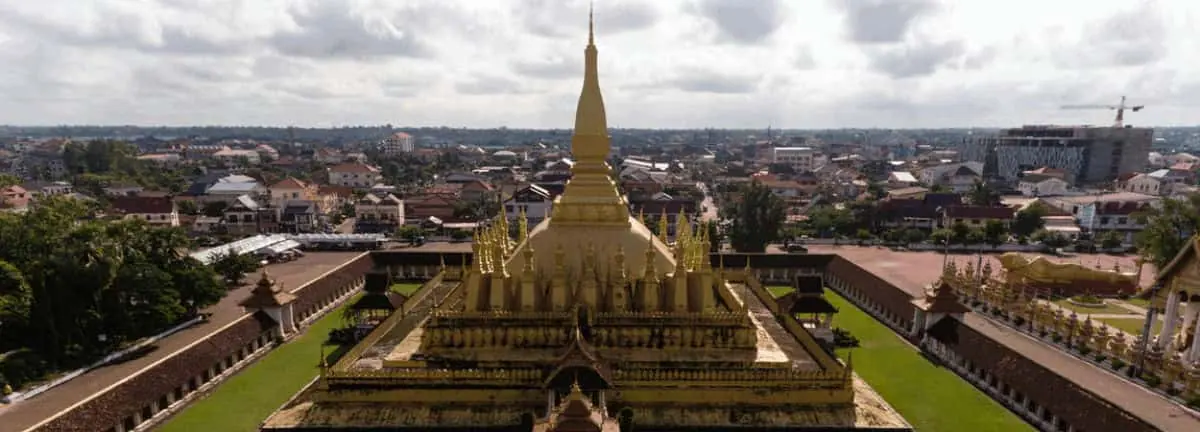
Vientiane's Buddhist sites are most rewarding when their differences guide the itinerary. A major national stupa, a temple courtyard filled with Buddha images, a museum collection and a working monastery each ask for a different kind of attention. Visiting a few carefully can explain more than racing through a long list of names.
Begin with the central pair
Vat Sisaket and Hor Phra Keo are conveniently paired around the area near the Presidential Palace. At Sisaket, look at how the Buddha images are arranged within the architectural setting. Hor Phra Keo provides a different experience through its collection of Buddhist art and its historical association with the Emerald Buddha.
Their closeness makes this a useful part of the day to do on foot, while still allowing time to sit, look and read interpretation. Confirm the current entrances and visiting hours, particularly around public holidays or religious events.
Choose between scale and everyday life
That Luang, the great stupa that serves as a national symbol, is an appropriate separate stop for its monumental presence and religious significance. Plan transport for the wider route rather than assuming every major temple lies within the same compact downtown walk.
For a closer look at a working religious environment, sites such as Vat Si Muang or Vat Ong Teu offer another perspective. Activities within them belong first to the people worshipping or studying there. Keep a modest distance, follow instructions about shoes and photography, and leave a clear route for those taking part.
Give legends their proper place
Stories associated with Vientiane's shrines and stupas are part of local cultural interpretation. At That Dam, for example, the serpent tradition should be understood as a belief connected with the place, not a literal historical claim. A good guide can help distinguish a building's documented history from the stories that give it meaning.
Finish with time for a meal or a riverside walk. The pause helps turn a sequence of temple names into a more coherent impression of the capital.
Join the discussion
Be the first to share a thoughtful comment.