Choosing a Luang Prabang craft workshop: making, meaning and time
A practical comparison of textile learning at Ock Pop Tok and cultural context at TAEC, with questions to ask before choosing a session.
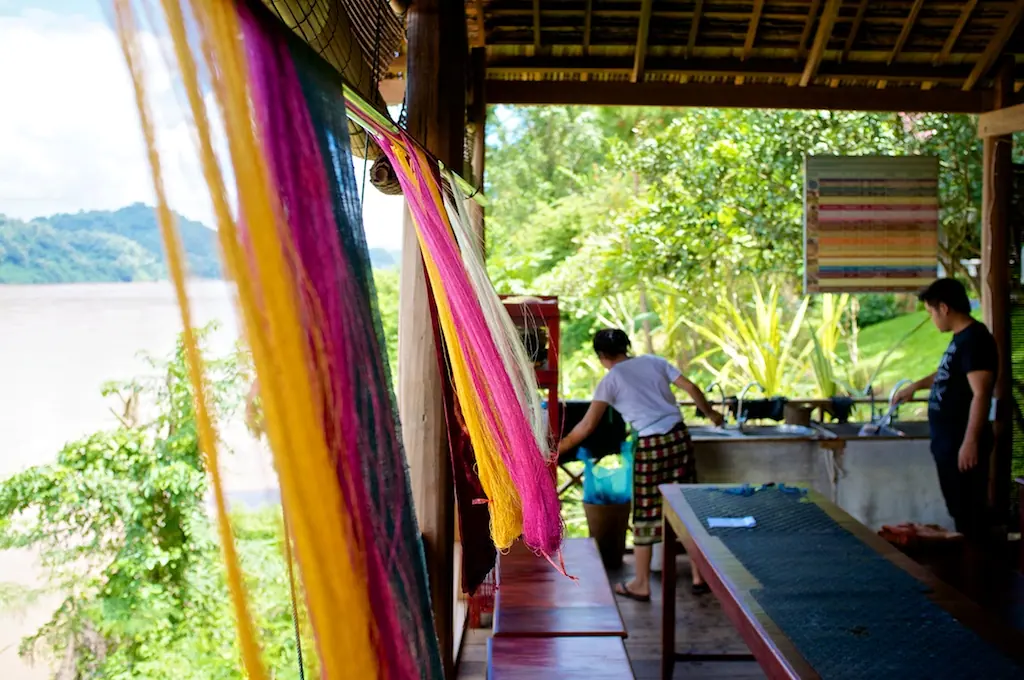
A craft workshop is most valuable when its pace matches your curiosity. In Luang Prabang, Ock Pop Tok and the Traditional Arts and Ethnology Centre offer different starting points: one makes textile processes central to the visit, while the other connects objects and skills with the communities that create them. This editorial assessment compares those learning approaches; it does not assign an untested star rating.
What each approach does well
Ock Pop Tok's Living Crafts Centre gives textile enthusiasts a concrete way into a complicated subject. Watching fibre preparation, dyeing or weaving can turn an attractive finished cloth into a sequence of understandable decisions. A weaving activity suits someone who enjoys patient handwork and wants to see how structure becomes pattern. A dyeing activity shifts attention toward ingredients, colour and changes in the material.
TAEC is a useful starting point when the wider cultural setting matters as much as the craft itself. Exhibitions can help a visitor distinguish between communities and ask more precise questions about an object. A guided visit or workshop then adds a conversation about how skills are learned and used today. This is particularly relevant before a longer journey involving village visits or textile purchases.
The trade-off is depth versus breadth
Trying a single process in detail may leave less time for the wider story; surveying several traditions may provide less time at a loom or worktable. Neither is automatically better. For a short stay, choose one question you would like the visit to answer. It might be how a woven pattern is built, why a particular material is used, or how a maker describes their work. A clear question is more useful than collecting several abbreviated activities.
Compare the actual session, not the institution's name
| Question | Why it matters |
|---|---|
| What will I personally make or practise? | Separates a demonstration from a hands-on class. |
| How long is the making time? | Allows for introductions, breaks and finishing. |
| Who teaches, and in which language? | Determines how easily you can ask detailed questions. |
| What materials and take-home items are included? | Makes different quotations comparable. |
Our editorial recommendation
Choose the textile-focused approach for a close look at making; choose the museum-led approach for cultural orientation and a wider set of questions. If you do both, put them on different parts of the day or on separate days so the second visit benefits from the first. Confirm the current programme, location, age suitability and cancellation conditions before booking. Photographs and class descriptions from older travel accounts do not establish today's available session.





Join the discussion
Be the first to share a thoughtful comment.